
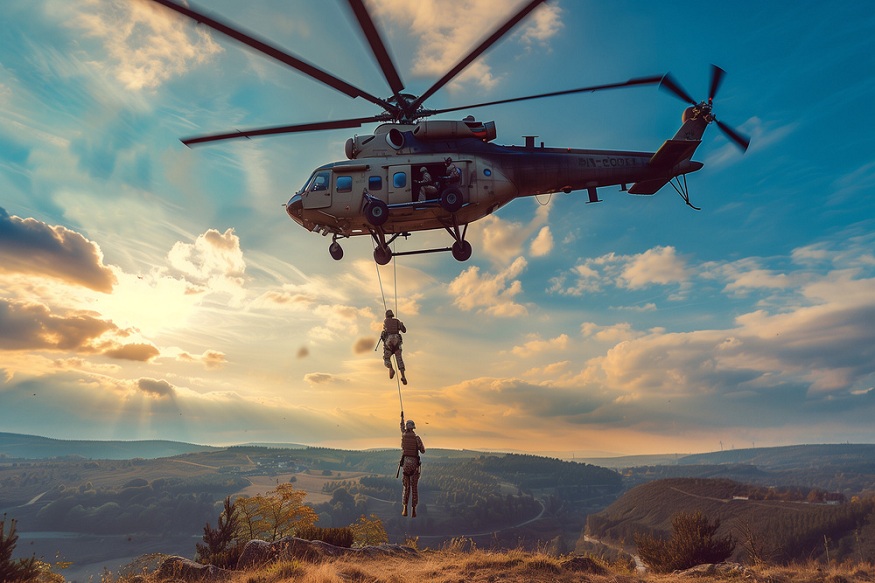
The only similarity between a commercial airliner and a medical evacuation helicopter is that they operate in the same sky. You can’t compare mission-critical aircraft to standard ones. They belong to entirely different categories. These specialized machines carry strange equipment. They follow stricter rules and show up when everything goes sideways.
Built for the Worst Days
Regular aircraft expect smooth operations. Mission-critical birds know Murphy’s Law by heart. This mindset shift changes everything from the ground up. Redundancy tells the story. Your typical helicopter runs one hydraulic system, which works fine for sightseeing tours. A search-and-rescue bird? Three separate systems. Two can fail completely and you’re still flying home. Standard planes carry spare instruments. Mission-critical aircraft have backups for the backups, then manual controls that work after lightning fries every circuit board.
The bones of these machines differ, too. Mission-critical aircraft eat abuse for breakfast. They slam onto dirt roads, punch through sandstorms, hover steadily in winds that would toss regular helicopters like toys. Landing gear that looks overbuilt? It needs to be. Those fat struts absorb impacts that would fold standard gear like tin foil. Rotor blades slice through tree branches without flinching. Everything’s beefier because when stuff breaks, people die.
Read More: Why Travelers Choose ESA Tours for Unforgettable Dubai Experiences?
Specialized Equipment That Defines Purpose
Peek inside a regular plane: seats, bins, maybe screens showing movies. Now check out an air medical helicopter. Monitors everywhere. Oxygen plumbing across the ceiling like spiderwebs. Outlets powering machines that breathe for patients. The whole cabin transforms into an emergency room doing 150 mph. Military transports bring their own toys. Cargo systems that lock down everything from bullets to bulldozers. Ramps that slam open in three seconds flat. Radio gear that burns through jamming like it’s nothing. Every single piece exists for one reason: complete the mission.
But here’s the kicker: this stuff doesn’t just bolt to the floor and call it good. Electrical systems pump out power levels that would melt standard wiring. Air handlers deal with medical gases, smoke, and sometimes nerve agents. Weight and balance calculations go haywire when you’re constantly loading different cargo. Regular aircraft never wrestle these problems.
Protection Beyond Standard Safety
Normal planes protect against crashes and fires. Mission-critical aircraft laugh at that short list. They shrug off electromagnetic pulses that would brick regular electronics. Seals stop chemical weapons from reaching the crew. Windows survive temperature swings that would shatter regular glass.
Some birds go harder. Companies such as LifePort make aviation ballistic protection that stops rifle rounds while keeping the aircraft light enough to fly. These aren’t merely attached armor plates; they are sophisticated systems integrated into the aircraft’s very framework. Crews flying into sketchy neighborhoods need this protection. Ground fire isn’t theoretical when you are hovering over hostile territory.
Read More: Sailing into Serenity: Discovering the Magic of a Turkey Yacht Charter
Environmental defenses matter just as much. Mission-critical aircraft fly through hell itself. Engines inhale volcanic ash without choking. De-icing systems handle frozen nightmares that would turn regular planes into lawn darts. Flotation bags deploy for water landings. Cabin pressure holds during rapid altitude changes that would split standard fuselages. These machines survive conditions that leave conventional aircraft in pieces.
Conclusion
Mission-critical aircraft earn their stripes through capability, not clever naming. They launch when weather grounds the commercial fleet. They land where pavement doesn’t exist. They transform empty aluminum tubes into trauma centers, command posts, or assault platforms. The engineering touches every bolt, every wire, every surface. Standard aircraft move people from A to B. Mission-critical aircraft show up when the alphabet stops making sense; when disasters strike, conflicts erupt, or someone needs saving right now. That gap between routine and critical defines everything.